

IVF Success Rate by Age: What Patients in North Logan, UT Should Know
Starting a fertility journey can bring up many questions, especially regarding how age influences the likelihood of achieving a healthy pregnancy. Age naturally affects both the quality and quantity of a woman’s eggs, making it one of the most critical factors in reproductive medicine. At Conceptions Fertility Center, led by Dr. Andrew K. Moore, MD, we are dedicated to helping you navigate these challenges and build the family of your dreams. For more information, please contact us today or book an appointment online. We are conveniently located at 2245 N 400 E Suite 201, North Logan, UT 84341.
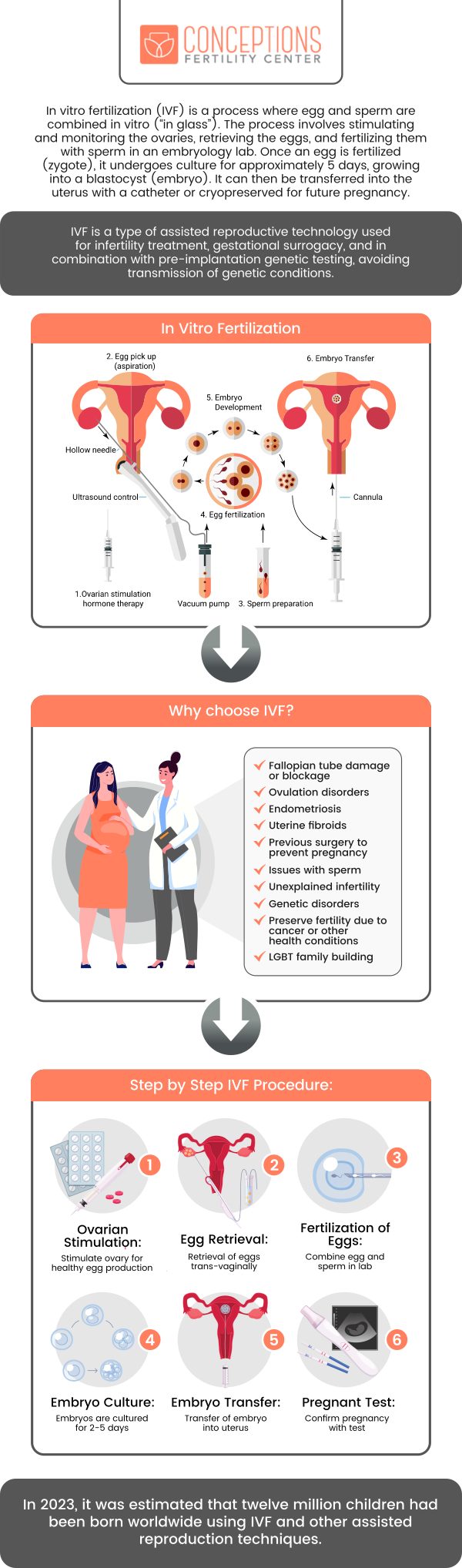
Table of Contents:
How significantly does age impact IVF success rates?
Are there ways to improve my IVF success rate if I am over 35?
How do donor eggs affect the IVF success rate by age?
Does the success rate drop sharply at a specific age?
How does Conceptions Fertility Center in North Logan personalize IVF?
Can lifestyle changes truly offset the impact of age on IVF?
What is the maximum age limit for undergoing IVF treatment?
How does age impact male fertility during an IVF cycle?
Does freezing my eggs when I am younger improve future success?
Does insurance cover the extra costs associated with age-related IVF protocols?
Age is undeniably the single most significant factor in determining the success rate of In Vitro Fertilization (IVF). As a woman naturally ages, there is a progressive decline in her ovarian reserve, which means fewer eggs are available for retrieval. Furthermore, the genetic quality of these eggs diminishes over time, leading to a higher rate of chromosomal abnormalities.
Consequently, younger women generally experience higher success rates per IVF cycle compared to older patients. For women under 35, the chances of successful implantation and a healthy ongoing pregnancy are at their absolute peak. As patients move into their late thirties and early forties, achieving a positive outcome often requires additional medical interventions, more stimulation cycles, or specialized laboratory procedures to ensure viability.
Key ways age impacts overall success include:
● Diminished Ovarian Reserve: Fewer viable eggs are produced during the stimulation phase.
● Egg Quality: An increase in chromosomal abnormalities can prevent healthy embryo development.
● Implantation Rates: Lower embryo quality directly reduces the likelihood of successful uterine attachment.
● Miscarriage Risks: Genetically abnormal embryos lead to a naturally higher rate of early pregnancy loss.
If you are over the age of 35, there are still numerous proven strategies to enhance your chances of achieving a successful IVF outcome. While you cannot reverse the biological clock, optimizing your physical health and utilizing advanced reproductive technologies can make a profound difference.
At Conceptions Fertility Center, the focus shifts toward maximizing the quality of the eggs you have and creating the ideal environment for implantation. Before starting a cycle, adopting a nutrient-dense diet, maintaining a healthy weight, and managing stress levels provide a strong physiological foundation. Furthermore, specialized medical protocols can directly counteract age-related decline, ensuring your fertility journey remains highly efficient and effective.
Effective ways to improve your success rates include:
● Preimplantation Genetic Testing (PGT): Screens embryos for chromosomal abnormalities to ensure only the healthiest are transferred.
● Customized Stimulation Protocols: Tailored medication regimens maximize the number of mature eggs retrieved.
● Lifestyle Optimization: Incorporating fertility-boosting supplements, quitting smoking, and reducing alcohol consumption.
● Advanced Lab Techniques: Utilizing Intracytoplasmic Sperm Injection (ICSI) ensures higher fertilization rates for the eggs retrieved.
For patients facing severe age-related fertility challenges, utilizing donor eggs is often the most effective pathway to achieving a successful pregnancy. When donor eggs are introduced into the IVF process, the success rate is no longer dictated by the intended mother’s chronological age.
Instead, the success rate heavily mirrors the age of the young, healthy egg donor. This means that a woman in her forties utilizing eggs from a donor in her twenties will have nearly the same excellent chances of conception as a woman in her twenties. This approach provides immense hope for women who have experienced repeated IVF failures or who have a critically diminished ovarian reserve.
Important facts regarding the use of donor eggs:
● Bypasses Age Limitations: Success rates jump significantly because the procedure relies on younger, healthier genetics.
● Lower Miscarriage Rates: Eggs from younger donors naturally have fewer chromosomal defects, leading to safer pregnancies.
● High Success Rates: Donor egg cycles boast some of the highest live birth rates in the fertility industry.
● Uterine Receptivity Focus: Treatment shifts from focusing on egg retrieval to simply optimizing the intended mother’s uterus for implantation.
While fertility gradually declines throughout a woman’s late twenties and early thirties, there is a distinctly sharper drop in success rates once a patient reaches her mid-to-late thirties. Generally, around the age of 35, the decline in both egg quantity and genetic quality accelerates noticeably. By the time a woman reaches age 38, the chances of IVF success drop more dramatically, and after age 40, achieving a successful pregnancy using one’s own eggs becomes significantly more challenging.
This accelerated biological decline makes early medical intervention absolutely crucial. If you are struggling to conceive, seeking a clinical evaluation with our team sooner rather than later ensures you have the widest variety of treatment options available to safely build your family.
Critical milestones in the age-related fertility timeline include:
● Before Age 35: Optimal fertility with the highest natural and assisted reproductive success rates.
● Ages 35 to 37: A noticeable, measurable decline begins, requiring more targeted fertility interventions.
● Ages 38 to 40: The decline accelerates sharply, often necessitating advanced techniques like PGT testing.
● Over Age 40: Significant decreases in success rates occur, making donor eggs a highly viable alternative option.
At Conceptions Fertility Center in North Logan, UT, Dr. Andrew K. Moore, MD, approaches age-related fertility struggles with immense compassion, cutting-edge technology, and fully customized care. Because older patients require medical precision, there is absolutely no cookie-cutter approach. The clinic conducts extensive initial diagnostics to accurately assess ovarian reserve, hormone levels, and uterine health.
Based on these unique findings, Dr. Moore designs a tailored ovarian stimulation protocol meant to safely retrieve the maximum number of healthy eggs possible. The state-of-the-art laboratory at Conceptions Fertility Center employs advanced embryology techniques to nurture embryo development, giving older patients the absolute best possible chance to bring home a healthy baby.
Personalized strategies utilized by Dr. Moore include:
● Comprehensive Diagnostics: Detailed hormonal and ultrasound evaluations to precisely measure your baseline reproductive health.
● Tailored Medication Plans: Customized dosing schedules meant to gently and effectively stimulate older ovaries.
● Expert Embryology Lab: Implementing precise laboratory conditions and genetic testing to isolate the strongest, most viable embryos.
● Compassionate Guidance: Step-by-step support and clear communication throughout your entire journey.
Can lifestyle changes truly offset the impact of age on IVF?
While lifestyle changes cannot reverse aging, maintaining a healthy weight and diet can significantly improve egg quality and uterine receptivity. These healthy habits provide a much stronger foundation for a successful medical intervention.
Most clinics evaluate patients individually, though treatment using a woman’s own eggs often becomes medically unviable around age 45. However, utilizing donor eggs allows many women to safely carry pregnancies well into their late forties.
Male fertility also declines with age, resulting in lower sperm motility, reduced volume, and an increase in DNA fragmentation. Advanced procedures like ICSI can successfully overcome these male age-related challenges during the fertilization process.
Yes, freezing your eggs at a younger age essentially pauses their biological clock, preserving their higher quality and genetic integrity. When you decide to use them later in life, your success rate reflects the age you were when they were frozen.
Coverage varies drastically depending on your specific provider; while some diagnostics may be covered, advanced add-ons like genetic testing usually are not. Our financial counselors will gladly help you navigate your specific benefits.
For more information, please contact us today or book an appointment online. We are conveniently located at 2245 N 400 E Suite 201, North Logan, UT 84341. We serve patients from Hyde Park UT, Smithfield UT, Benson UT, Logan UT, Wellsville UT and surrounding areas.
Check Out Our 5 Star Reviews


ADDITIONAL SERVICES YOU MAY NEED

 Send Text
 How May I Help You?